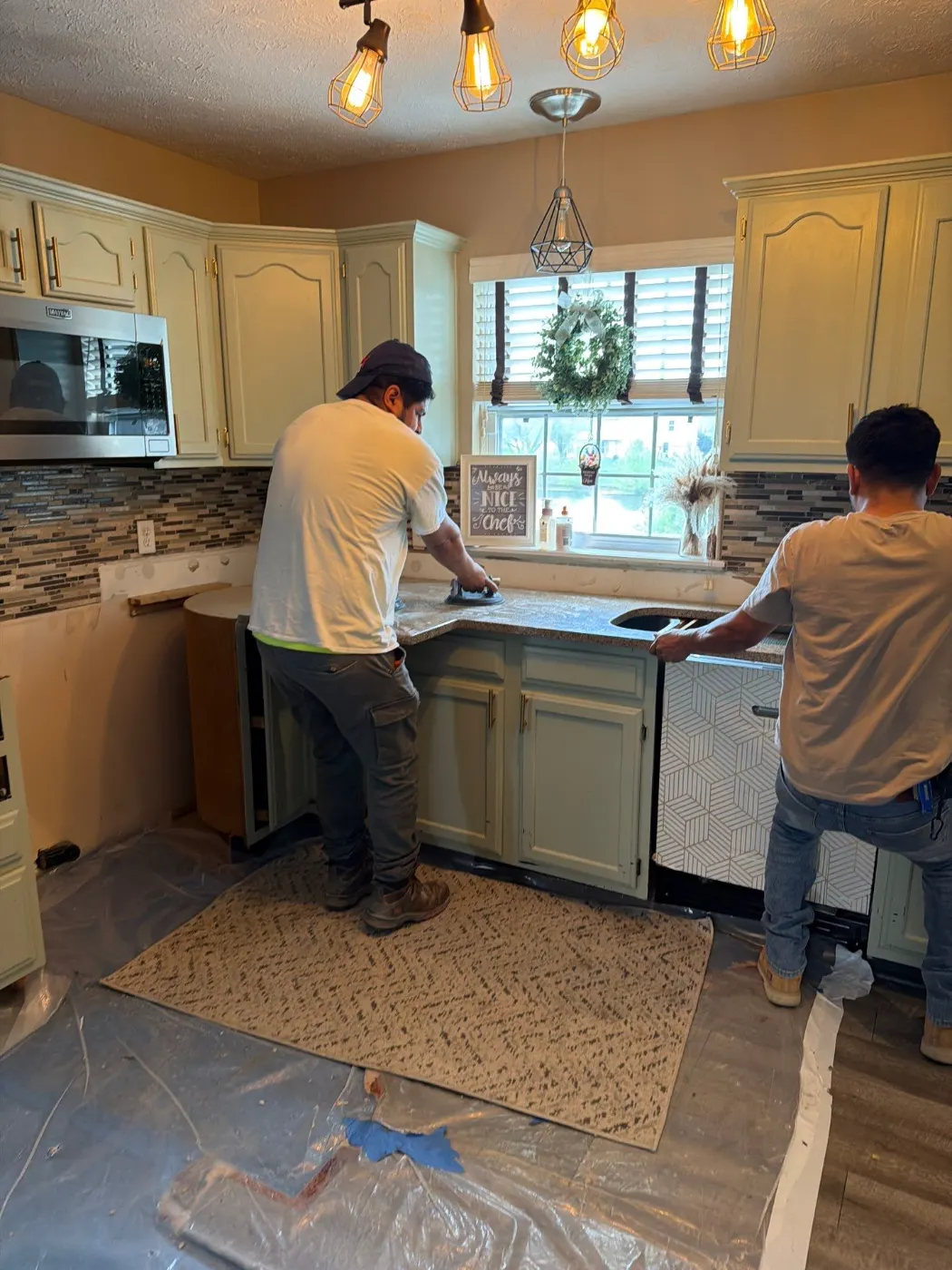
Commercial Sewage Cleanup in Pleasant Creek, IN
Basement and below grade sewage cleanup in Pleasant Creek, with a written scope the owner can review line by line.
Pleasant Creek Water Restoration handles Commercial Sewage Cleanup for Pleasant Creek, IN homeowners: emergency dispatch around the clock, IICRC certified technicians, and insurance coordination on approved claims. Call (765) 703-7292.
- Service: Commercial Sewage Cleanup for Pleasant Creek homeowners
- Service area: Pleasant Creek, IN and surrounding areas
- Response time: 24/7 live dispatch; emergency crews prioritized for Pleasant Creek
- Licensed and insured (License #RC21100059)
- Serving Pleasant Creek, IN since 2018
Commercial Sewage Cleanup for Pleasant Creek Businesses
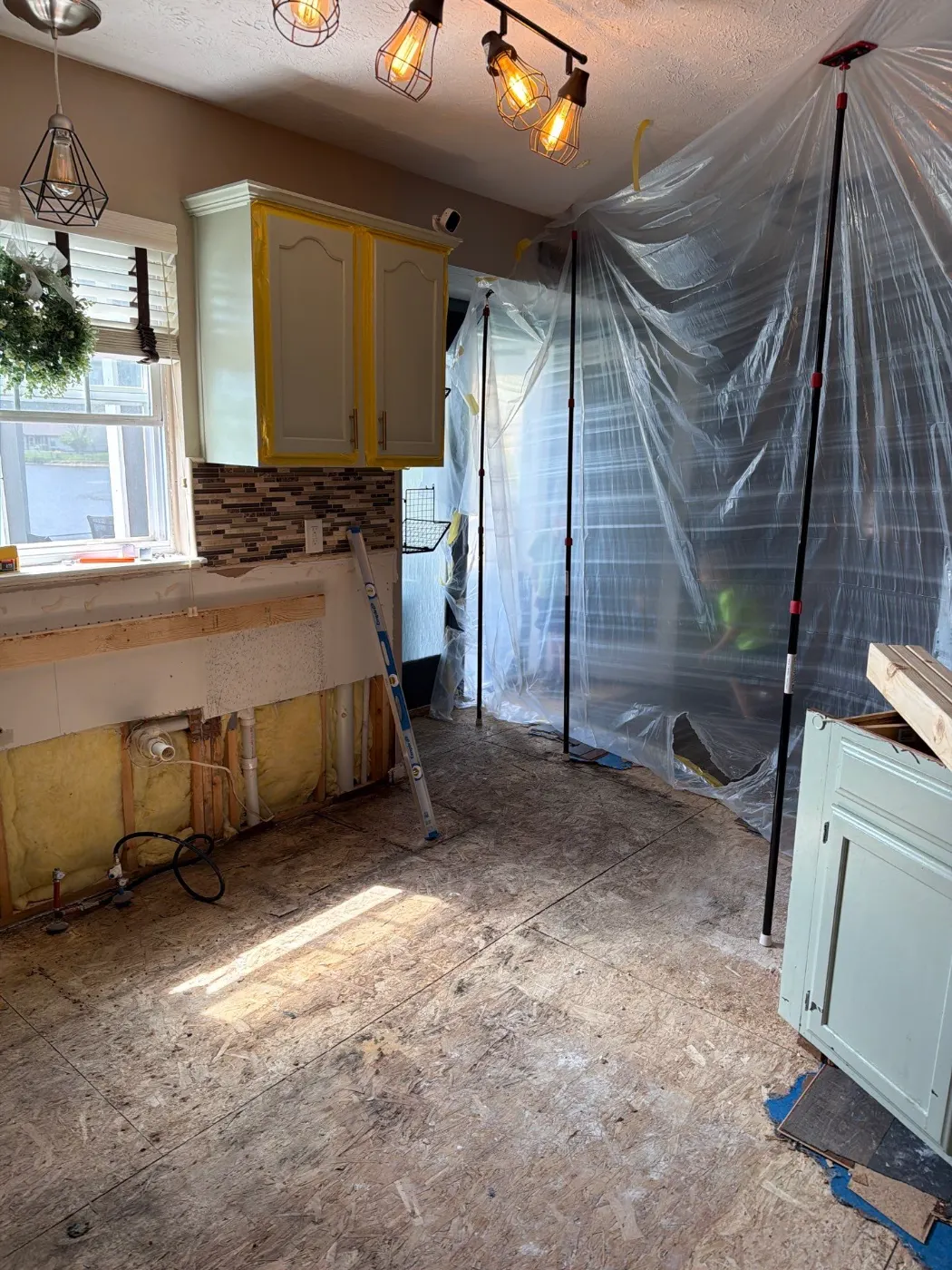
Keeping an operating business separate from a contaminated work zone is most of the job on a commercial sewage loss. Pleasant Creek Water Restoration sets 6 mil containment with zipper entries, puts the work zone under negative pressure with HEPA scrubbers, and seals the HVAC openings serving that area so nothing moves through the ductwork. Extraction, removal, and cleaning happen inside that envelope while Pleasant Creek tenants keep using the rest of the building.
Pleasant Creek Water Restoration closes a commercial sewage job on verification. Final moisture readings on every material that got wet get compared with unaffected materials in the same building, the cleaned surfaces get inspected and the condition gets photographed. Equipment comes out after that record is written, and your inspector reviews it from there for your Pleasant Creek property.
Containment goes up before extraction on every commercial sewage job Pleasant Creek Water Restoration runs. Crews frame 6 mil poly barriers with zipper entries around the affected area, seal the supply and return openings serving it, and put the zone under negative pressure with HEPA air scrubbers. Everything after that happens inside the envelope, so the corridor, the suite next door, and the floors above keep their air separate from the work.
Sewage losses draw more adjuster attention than clean water losses, mostly because the removal scope is larger. Pleasant Creek Water Restoration expects the questions and documents the answers before they get asked: why the material was unsalvageable, what the moisture readings showed, which antimicrobial was applied at what dilution, and how long the dwell time ran. That record answers the obvious questions before anyone has to ask them.
Unsure whether a backup in your Pleasant Creek building counts as a sewage loss? Call Pleasant Creek Water Restoration and describe what came out of the drain and how far it spread. The crew lead will tell you whether it's Category 3 and what the cleanup involves, so you know what to tell your tenants and your carrier.
Signs You Need Commercial Sewage Cleanup
If you notice any of these in your Pleasant Creek building, schedule a free inspection before the issue worsens.
Visible tide line on the lower few inches of drywall beside a restroom
Odor that gets stronger the closer you walk to the lowest floor drain
Floor drains gurgling whenever a mop sink, a dishwasher, or a restroom fixture runs upstairs
Standing water collecting at the base of a walk in cooler or under its condensate line
Dark water coming up through basement mechanical room drains during heavy rain
Dark staining or a residue ring spreading outward from a floor drain grate
Carpet tile edges in a corridor outside a restroom staying damp between cleanings
Water flowing from under a janitorial closet door into the corridor overnight
Particleboard cabinet bases swelling near a floor drain in a break room
Gray or brown water seeping under a restroom door into a hallway
How Pleasant Creek Water Restoration Handles Commercial Sewage Cleanup
We follow these steps in order on every Pleasant Creek job.
Call Intake and Triage
The dispatcher gathers the address, the affected suite or area, whether the flow has stopped and who can authorize work. Those answers shape the crew's equipment list and the order of the first walkthrough.
Moisture Mapping and Cut Lines
Once the standing waste is out, meters and a thermal camera trace the wet edge across floors and walls. The crew marks cut lines on the walls from those readings and photographs each mark before demolition begins.
Porous Material Removal
Materials that can't be cleaned to standard come out: drywall and base to a documented cut line, wet insulation, ceiling tile, carpet pad, and particleboard casework. Each cut line gets photographed first, and the waste leaves the building bagged and sealed.
Drain and Trap Cleaning
Floor sinks and trench drains get opened and scrubbed by hand so the antimicrobial that follows reaches clean surfaces. The crew photographs each drain before and after cleaning, and traps are checked for leftover debris.
Daily Monitoring
A technician returns every 24 hours through the drying phase, logs readings at fixed locations, repositions equipment as the wet zones shift, and photographs any change in scope. The property manager gets an update on progress and what is left.
Commercial Sewage Cleanup in Pleasant Creek
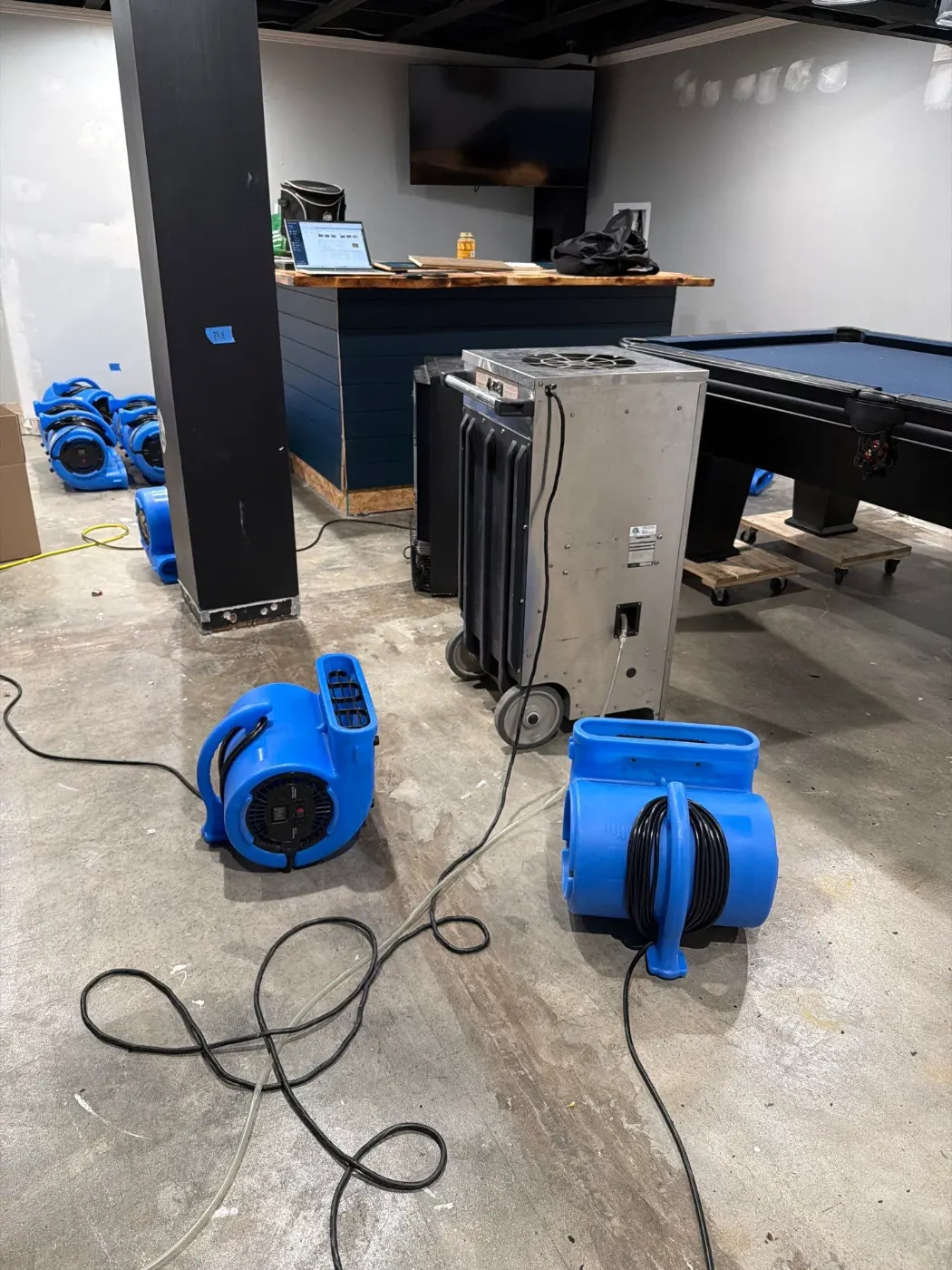
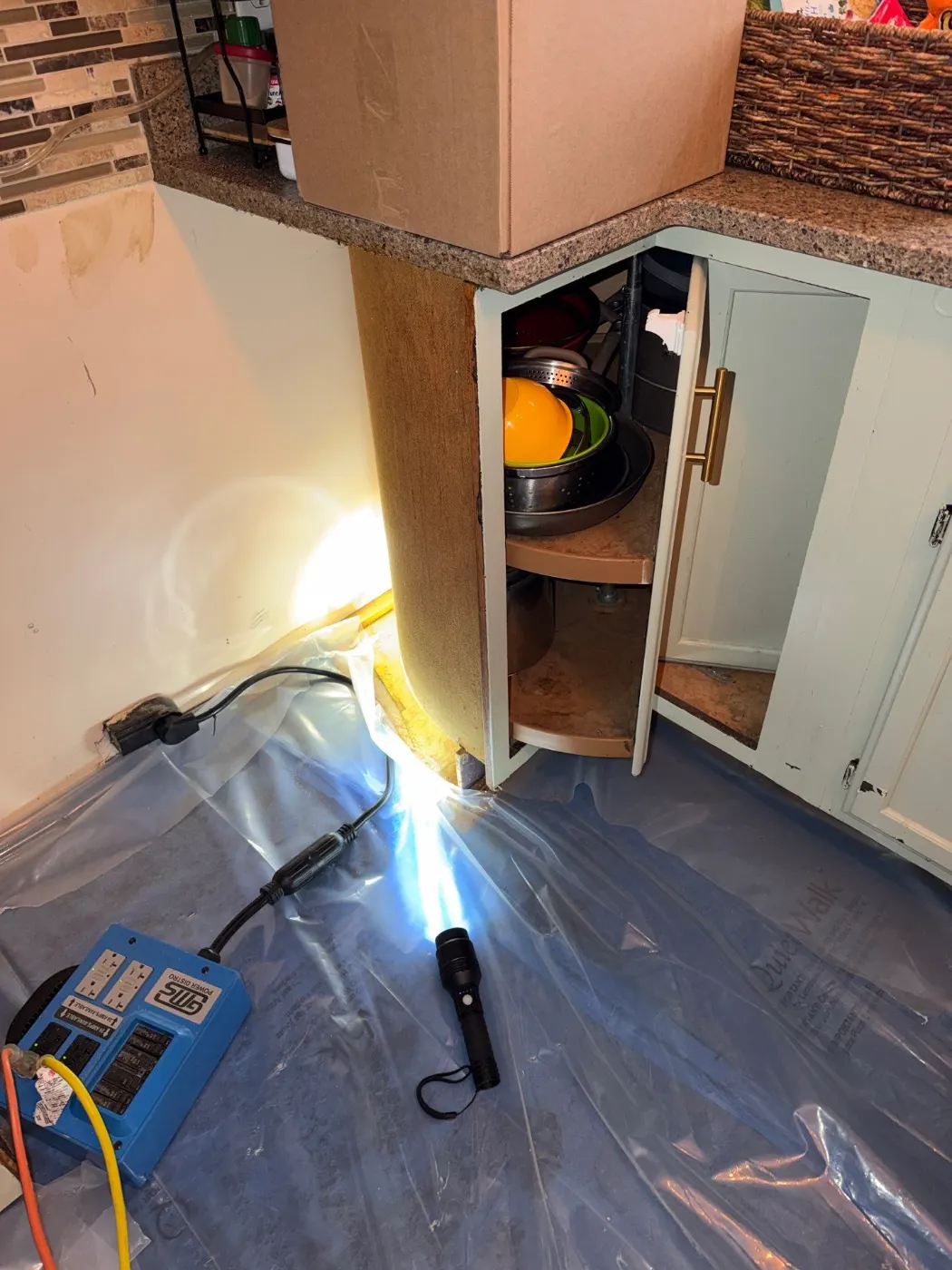
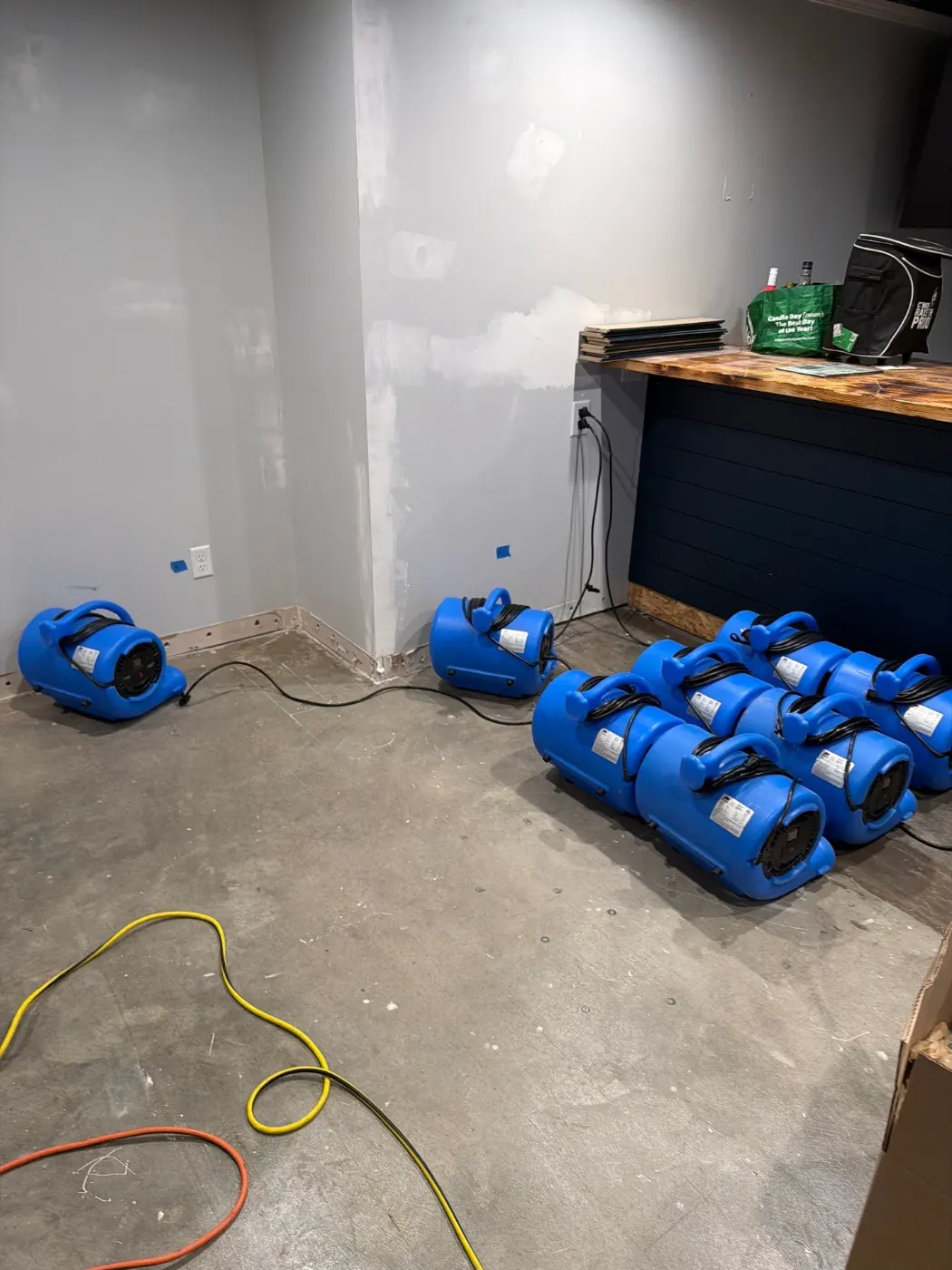
Photographs from real commercial sewage cleanup jobs completed by our crew in Pleasant Creek and surrounding areas.
Commercial Sewage Cleanup FAQ
Questions Pleasant Creek property managers ask us about commercial sewage cleanup.
Guidance and Standards for Commercial Sewage Cleanup
- The ANSI/IICRC S500 is the published standard for professional water damage restoration. The current edition is the Fifth Edition, 2021. IICRC S500 Standard
Pleasant Creek Neighborhoods We Serve
We take commercial sewage cleanup calls in every part of Pleasant Creek. Pick your neighborhood for local details.
Other Restoration Services in Pleasant Creek
Pleasant Creek Water Restoration handles the full scope of restoration work. Explore our other services below.
Water Damage Restoration in Pleasant Creek
24/7 emergency response. IICRC certified water restoration from extraction to full dry out.
Learn more →Basement Flooding in Pleasant Creek
Basement water emergencies handled fast. Extraction, drying, mold prevention.
Learn more →Sewage Cleanup in Pleasant Creek
Category 3 biohazard cleanup. Full containment, decontamination, structural restoration.
Learn more →Request Commercial Sewage Cleanup
Reach Us Directly
Our team is available 24/7 for emergencies and ready to schedule inspections during business hours.
Need Immediate Help?
For active water or mold emergencies, call us directly. We are available 24/7.